Constitution
The Arithmetic of Mobilization
Posted on 11 mins
Reservation in India was supposed to be temporary. That was the promise — a brief constitutional correction, a decade-long transition to lift the historically marginalized, after which the Republic would move toward equal citizenship. Seven decades later, the transition has not ended. It has expanded. The question of why it endures is usually answered with moral arguments — about justice, historical suffering, social equity. These are the terms the debate is conducted in.
लामबंदी का अंकगणित
Posted on 12 mins
लोकतंत्र के बारे में एक आरामदायक कल्पना है — कि यह विचारों का बाज़ार है, जहाँ सबसे तर्कसंगत तर्क जीतता है, जहाँ नागरिक साक्ष्यों को तौलते हैं और सैद्धांतिक स्थितियों पर पहुँचते हैं। यह एक चापलूसी भरा चित्र है। यह लगभग पूरी तरह से गलत भी है। लोकतंत्र तर्क पर नहीं चलता। यह आम सहमति पर चलता है। और आम सहमति के लिए सही होना ज़रूरी नहीं है। इसके लिए संगठित होना ज़रूरी है।
The Rational Apathy | Why India's Borrowed Framework Breeds Dysfunction
Posted on 6 mins
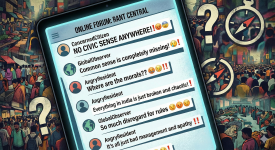
The casual observer might blame India’s civic dysfunction on cultural deficiency or innate selfishness. The streets are filthy, systems are routinely exploited, and apathy seems universal. But this explanation is too convenient—it mistakes symptom for cause. The real answer lies not in the character of Indians, but in the nature of the system they inhabit. The Paradox of Rational Selfishness Consider a simple game theory experiment: two players must independently choose between options A and B.